Home > Infidelity counseling
Infidelity counseling for couples in Ohio
I help couples in Ohio work through the aftermath of an affair. Sessions are online, insurance is accepted through Headway, and you can start with a free 15-minute call.
Last updated September 24, 2026

What an affair does to a relationship
Finding out about infidelity, or being the one who broke trust, can feel like the ground has disappeared. Both partners often carry intense emotions at once: anger, grief, shame, fear, and sometimes relief that things are finally out in the open.
These reactions are normal. They are also hard to work through alone or in arguments that go in circles. Therapy gives you a steady, structured place to talk.
How therapy can help
Recovery after infidelity is different for every couple. Work like this often moves through three broad phases:
Steady the relationship
Slow the crisis down, reduce the daily blowups, and create enough safety to keep talking.
Understand what happened
Make sense of what led to the affair and what it means for each of you, without excusing it or reducing it to blame.
Rebuild or decide
Rebuild trust and closeness step by step, or work through a decision about the future with clarity and respect.
Who I work with
- Couples who want to stay together and rebuild trust
- Couples who are unsure and need space to sort out what they want
- Either partner individually, before or alongside couples sessions
- Married, engaged, and unmarried couples, including LGBTQ+ couples
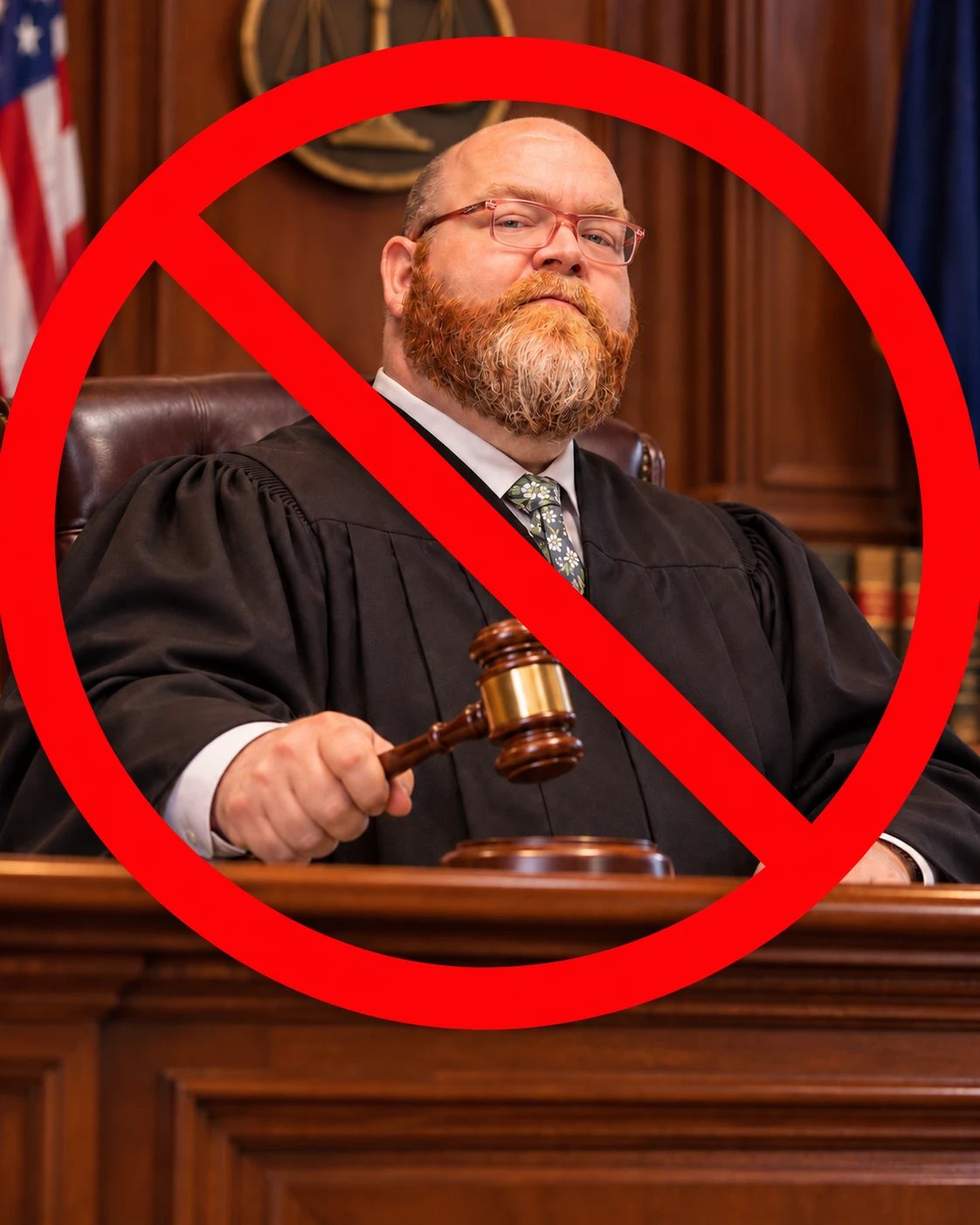
I'm not a judge, and I'm not taking sides
After an affair, it is natural to expect a verdict. That is not what happens here. I am not here to decide who is right or wrong. I am here to help you both be heard and to help bring you back toward each other.
How I work
I draw on Emotion-Focused Therapy, Behavioral Couples Therapy, and cognitive behavioral approaches. That means paying attention to the emotions underneath the conflict as well as the concrete behaviors and habits that keep trust from returning.
I'm a counselor with a personal faith. I do not use faith-based counseling approaches unless a client asks for them. Clients of any faith, or none, are welcome. If faith is part of how you want to work through this, we can include it.
Cost, insurance, and getting started
I accept Aetna, Anthem Blue Cross and Blue Shield, Carelon Behavioral Health, Cigna, Curative, and The Health Plan through Headway. Self-pay is $135 for an individual session and $150 for a couples session. The first step is a free 15-minute call, or you can book directly.
Common questions about infidelity counseling
Can we do therapy if we are not sure we will stay together?
Yes. Many couples come in unsure. Therapy can give you both room to understand what happened and to decide what you want, without pressure toward a particular outcome.
Does my partner have to want to come?
Couples therapy works best when both partners take part. If your partner is unsure, individual sessions for you are also available, and a free 15-minute call is a low-pressure way to ask questions first.
Will I have to share every detail of the affair?
No. We set the pace together. The goal is to say what needs to be said so trust can start to rebuild, not to relive every detail.
How long does it take to rebuild trust?
It varies from couple to couple, and healing is usually gradual. After we meet, I will talk with you about what pacing makes sense for your situation.
Do you offer this online?
Yes. All sessions are by secure video for people located in Ohio, and insurance is accepted through Headway.
If you or your partner feel unsafe, or are thinking about harming yourself or someone else, please call or text 988, or call 911. This practice is not for emergencies.
Related: what to expect from couples therapy and books I recommend.